Travel Insurance for a Schengen Visa: the EUR 30,000 Rule
Schengen visa applications need a minimum of EUR 30,000 medical cover for the full stay. What our Schengen zone pays, what it does not, and the date mistakes that cause problems.
If you are applying for a Schengen visa from Nigeria, the insurance requirement is one of the few parts of the application with a fixed, published number attached to it. Get it right and it is a non-issue. Get it wrong and it is an avoidable reason for your file to come back.
The rule is a minimum of EUR 30,000 in medical cover, valid for the full period you intend to stay in the Schengen area. This guide explains what that means in practice, what our Schengen cover actually pays, and the mistakes that cause problems. You can price your own travel dates whenever you are ready.
The EUR 30,000 rule
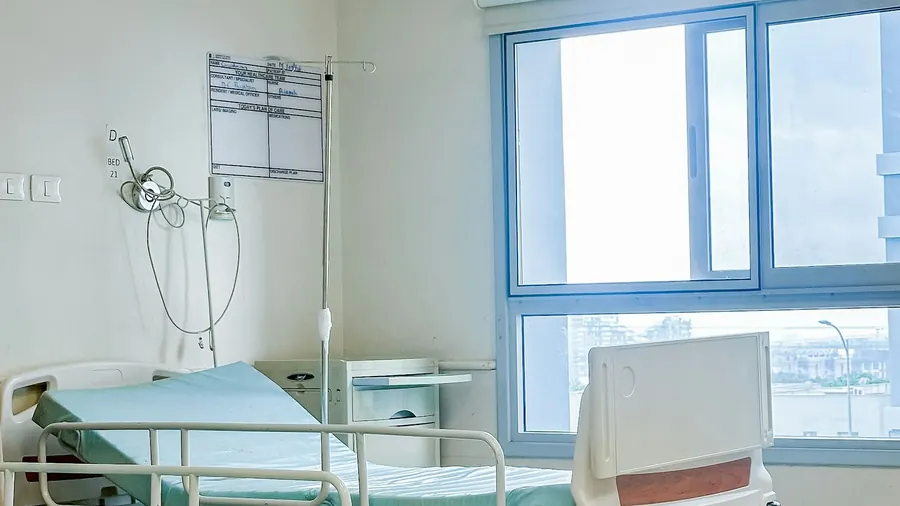
Schengen states require applicants to hold travel medical insurance covering emergency medical treatment, emergency hospital treatment and repatriation, with a minimum cover of EUR 30,000. The policy must be valid across the Schengen area and for the duration of the intended stay.
Our Schengen zone is built to that figure. Emergency medical and associated expenses are covered up to EUR 30,000, with a EUR 50 excess, and treatment for COVID-19 is included. You can see the full Schengen schedule before paying.
Need Schengen cover for your application?
Enter your destination and your exact travel dates. Your certificate is issued once your paid application completes.
Get Your QuoteWhat the Schengen zone actually pays
The EUR 30,000 is the headline, but it is not the whole policy. These are the Schengen zone limits in full:
| Cover | You can claim up to | Your excess |
|---|---|---|
| Emergency medical and associated expenses | EUR 30,000 | EUR 50 |
| Repatriation of remains | EUR 1,500 | Not stated |
| Emergency dental treatment | EUR 150 | Not stated |
| COVID-19 quarantine accommodation | EUR 90 per day, up to 14 days | Nil |
| Loss of checked-in baggage | EUR 300 | EUR 50 |
| Baggage delay | EUR 400 (EUR 50 per 6 hours) | 6 hours |
| Loss of passport or travel documents | EUR 200 | Nil |
| Trip delay | EUR 300 (EUR 50 per 12 hours) | 12 hours |
| Missed departure or connection | EUR 300 | 6 hours |
| Legal expenses | EUR 250 | Nil |
| Bail bond | EUR 400 | Nil |
| 24/7 travel assistance | Included | Nil |
Reading the excess column. The excess is the first part of a claim you pay yourself. Nil means there is none, so the insurer pays from the first naira. Not stated means our schedule does not set one for that benefit, so check your policy wording. Some excesses are a length of time rather than money: a "6 hours" excess means the delay has to pass six hours before anything is payable.
Two things worth knowing before you choose this zone. Medical evacuation is not covered on the Schengen zone, and neither is loss of personal money. Both are covered on the worldwide zone. If your itinerary takes you outside the Schengen area as well, the worldwide zone is the more appropriate cover, and the quote page will price both for your dates.
The mistakes that cause problems
- Dates that do not match the application. The policy must cover the full intended stay. A certificate that starts a day late, or ends before your stated return, is the single most common avoidable problem.
- Buying after the appointment. The certificate needs to be in the file you submit. Buy before you attend, not after.
- Choosing the wrong zone. If part of the trip sits outside the Schengen area, Schengen-only cover may not match the journey you have described.
- Assuming insurance decides the outcome. It does not. It satisfies one documentary requirement, nothing more.
- Not reading the excess. EUR 50 on medical, and several benefits with a time-based excess measured in hours rather than money, all published on the cover page.
Requirements change, so confirm them
The EUR 30,000 minimum has been stable for years, but individual missions and visa application centres add their own expectations about format, validity and how the certificate is presented. Those details do change.
Confirm the current requirement with the embassy, consulate or visa application centre handling your file, then match the policy to what they ask for. We can tell you what our cover pays. Only the mission can tell you what it will accept, so match your policy dates to what they ask for.
Get your certificate before your appointment
Buy online and the certificate is issued once payment completes, then sent straight to your email.
Start Your ApplicationCommon questions
How much insurance cover do I need for a Schengen visa?
A minimum of EUR 30,000 in medical cover, valid across the Schengen area for the full period of your intended stay. Our Schengen zone is set to exactly that EUR 30,000 figure.
Does the policy need to cover my whole trip?
Yes. It must be valid for the duration of the intended stay. Make sure the start and end dates on the certificate match the dates on your application.
Is medical evacuation included on the Schengen zone?
No. Medical evacuation is not covered on the Schengen zone. It is included within the emergency medical benefit on the worldwide zone, so check which zone suits your itinerary.
What is the excess on Schengen medical cover?
EUR 50 on emergency medical and associated expenses. Several other benefits carry a time-based excess instead, such as six or twelve hours on delay cover.
Will travel insurance get my Schengen visa approved?
No. It satisfies one documentary requirement in the application. The decision rests entirely with the visa authority.
When will I receive the certificate?
Your certificate is issued once your completed application is paid, and it is emailed to you.
See the Schengen price for your dates
Destination, travel dates, travellers. The figure appears before you pay anything.
Get Your Quote